2026-10-24 ·
Soil and Foundation Concerns After Heavy Rain in Atwood
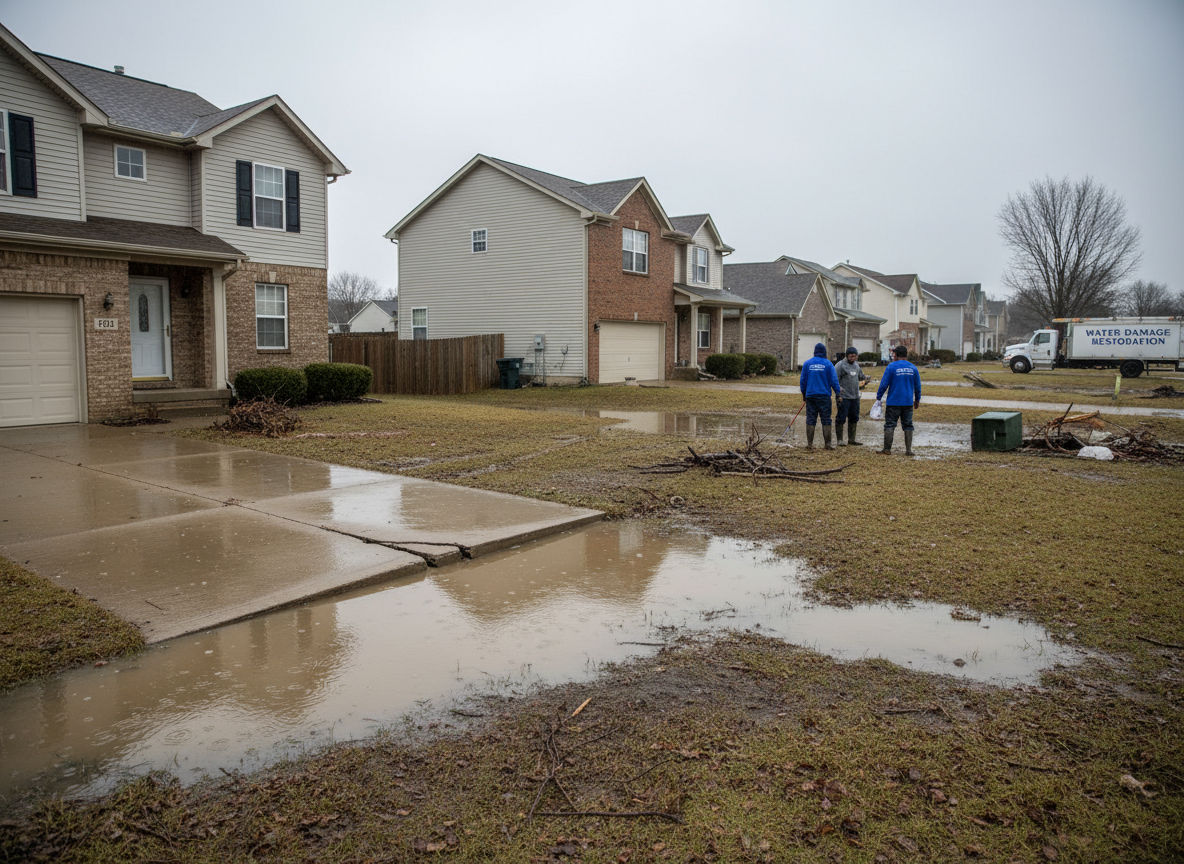
Heavy rain in Atwood often leads to soil expansion that exerts pressure on foundations within 48 to 72 hours of sustained downpours. Homes built on the clay-rich soils common throughout Atwood and surrounds experience differential settling when moisture levels spike, creating cracks in slabs and stem walls. This process repeats during the winter season when rainfall totals climb above seasonal norms.
How Atwood Soils Respond to Heavy Rain
Atwood sits on alluvial deposits with a high clay content that absorbs water rapidly and then shrinks as it dries. When rain falls steadily, these soils can increase in volume by enough to lift perimeter footings several inches. Older homes in Atwood built before modern drainage standards see the most movement because their shallow foundations sit directly in the active soil zone. Newer construction still faces risks where downspouts empty too close to the house or where irrigation keeps the soil saturated year-round.
Residents notice the effects most in neighborhoods with single-story ranch homes on raised foundations. Water that pools against the stem wall softens the soil beneath, allowing the structure to tilt slightly. Over multiple seasons this tilt becomes measurable and can affect door alignment and window operation throughout the Atwood area.
Foundation Movement Patterns After Storms
Foundation cracks that appear after heavy rain typically run diagonally from corners or horizontally along the base of the wall. These patterns indicate the soil has pushed inward or settled unevenly beneath the slab. In Atwood properties, post-rain inspections often reveal gaps between the soil and the foundation edge where the ground has pulled away during drying cycles.
Basements and crawl spaces in the Atwood area collect water that migrates through the soil and enters through cold joints or utility penetrations. Once inside, this moisture raises humidity levels that can lead to secondary issues if not addressed quickly. Monitoring soil moisture with a simple probe around the perimeter helps owners track changes before visible damage appears.
Practical Steps to Reduce Risk
Direct roof runoff at least six feet away from the foundation using properly graded extensions on downspouts. Re-grade the soil around the house so it slopes away at a minimum of six inches over the first ten feet. Install French drains in low-lying sections of the yard where water consistently collects after storms in Atwood.
Check crawl space vents and sump pumps before the rainy season begins. Clear debris from gutters and confirm that splash blocks sit level and direct water outward. These steps limit the amount of water that reaches the soil immediately adjacent to the foundation.
For homes already showing early signs, prompt water damage mitigation prevents further soil saturation. Document any new cracks with photos and measurements to support insurance claims if movement continues.