2026-10-24 ·
Common Pipe Burst Locations in Atwood Properties
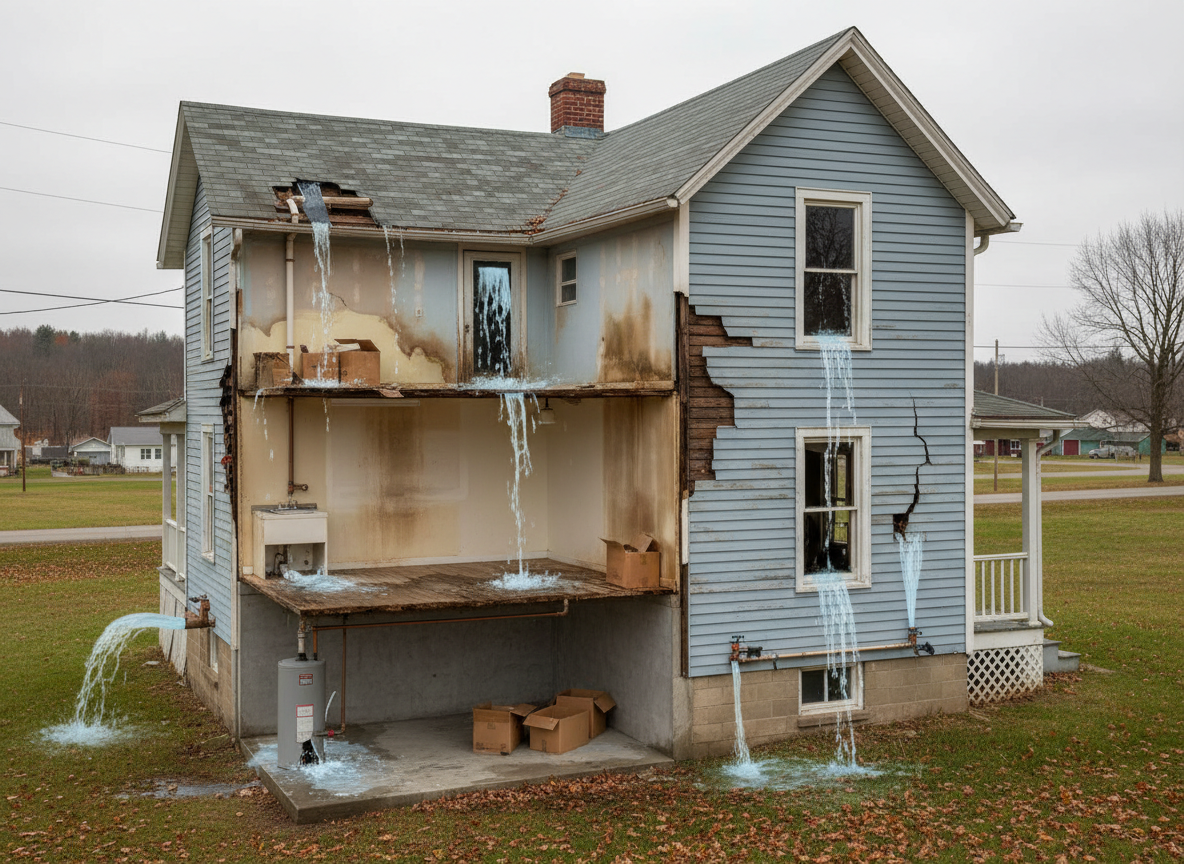
Pipe bursts in Atwood properties most often occur in bathrooms, under kitchen sinks, near water heaters, and in laundry rooms, especially in homes built before 1980 where galvanized lines have corroded. These locations account for the majority of calls because they combine high water pressure, frequent use, and limited access for inspection. Seasonal temperature swings and occasional heavy rains in the Atwood area accelerate wear on joints and valves.
Bathroom Plumbing Failures
Bathrooms top the list for pipe bursts in Atwood because shower valves, toilet supply lines, and tub drains see daily pressure changes that stress older fittings. In homes with original copper or galvanized lines, corrosion builds up over decades and creates weak points right behind tile walls or under vanities. A single failed washer or soldered joint can release gallons before anyone notices. Owners should check for damp drywall around tubs and listen for hissing sounds near shutoff valves during quiet hours. When bursts happen here, water quickly migrates into subfloors and neighboring rooms, raising the risk of hidden mold. Water leak restoration crews familiar with Atwood layouts can isolate the line and extract moisture before it reaches structural wood.
Kitchen and Laundry Areas
Kitchens and laundry rooms rank second in Atwood because flexible supply lines to dishwashers, refrigerators, and washing machines fatigue from vibration and age. Many properties here still use rubber hoses installed 15–20 years ago that harden and crack under constant pressure. The small space under sinks also traps humidity, speeding rust on shutoff valves. Laundry rooms add another risk when standpipes or drain hoses clog during heavy use, forcing water backward into walls. Checking connections twice a year and replacing hoses every five to seven years prevents most incidents. When a burst does occur, rapid water extraction limits damage to cabinetry and flooring common in these mid-century Atwood homes.
Water Heater and Utility Room Pipes
Water heaters and nearby utility piping fail regularly in Atwood due to sediment buildup and thermal expansion in older 40- to 50-gallon tanks. The short runs of pipe connecting the tank to the home’s main line often develop pinhole leaks at the unions after years of temperature cycling. Garages and exterior closets that house these units expose pipes to more temperature variation than interior spaces. Homeowners can reduce risk by flushing tanks annually and inspecting the temperature-pressure relief valve for drips. A burst in this area typically floods concrete slabs quickly, requiring thorough drying to avoid long-term moisture issues beneath flooring.
Outdoor Hose Bibs and Foundation Lines
Exterior hose bibs and the short runs of pipe that enter foundations burst during rare cold snaps or after soil movement in the Atwood area. Many homes have bibs installed without proper shutoff valves inside, leaving them vulnerable when temperatures drop or when tree roots shift the soil. Foundation penetrations also corrode where they contact concrete and moisture. Checking for dripping bibs in winter and ensuring exterior valves are drained helps. After heavy rain events, Soil and Foundation Concerns After Heavy Rain in Atwood explains how shifting ground stresses these entry points. When a foundation line bursts, water travels under slabs and requires specialized equipment to reach.
Prevention Steps for Atwood Homeowners
Regular visual checks of visible pipes, replacing rubber hoses on schedule, and keeping an eye on water bills for unexplained increases catch most problems early. Knowing the location of the main shutoff valve at 1679 E Orangethorpe Ave properties saves critical minutes during an event. Scheduling annual inspections of water heaters and supply lines in homes over 30 years old addresses the most common failure points before they become emergencies. When damage occurs, 24/7 response prevents secondary issues like mold growth in the region’s humid periods.